Appliances and Consumer Electronics Safety Testing for Global Market Access
Consumers expect appliances and electronic products to perform reliably while protecting against electrical, mechanical, and thermal hazards. At the same time, manufacturers must navigate evolving regulatory requirements, retailer expectations, and international certification programs before products can enter the market.
Intertek provides comprehensive safety testing, certification, and assurance services for household appliances, commercial appliances, and consumer electronics. Our global network of laboratories and technical experts helps manufacturers demonstrate compliance with applicable safety standards while reducing risk and accelerating access to domestic and international markets.
What is Safety Testing for Appliances and Consumer Electronics?
Appliances and consumer electronics safety testing is the process of evaluating products to determine whether they meet established electrical, mechanical, thermal, and chemical, safety requirements defined by national and international standards.
Safety testing helps verify that products are designed and manufactured to minimize hazards during intended use and foreseeable misuse. Testing may include assessments of electrical insulation, grounding, overheating, abnormal operation, component reliability, enclosure integrity, and protection against electric shock or fire.
Products commonly requiring safety evaluation include:
- Small household appliances
- Large home appliances
- Kitchen appliances
- Personal care appliances
- HVAC equipment
- Power tools
- Battery-powered devices
- Consumer electronics
- Audio and video equipment
- Information technology equipment
- Smart home products
- Connected IoT devices
Safety testing is often required for regulatory compliance, retailer acceptance, certification programs, and global market access.
Benefits and Importance of Appliance Safety Testing
Safety testing provides significant value throughout product development and commercialization by helping manufacturers identify risks before products reach consumers.
| Benefit | Why It Matters |
| Protect Consumer Safety | Verifies that products operate safely under normal and abnormal conditions, helping reduce the risk of electric shock, burns, fires, and mechanical injuries. |
| Support Regulatory Compliance | Demonstrates conformity with applicable national and international safety standards, helping manufacturers meet regulatory and certification requirements for target markets. |
| Reduce Product Liability Risk | Identifies potential design or manufacturing issues early, helping minimize recalls, warranty claims, legal exposure, and damage to brand reputation. |
| Accelerate Global Market Access | Supports entry into domestic and international markets by providing testing and certification recognized by regulators, retailers, and customers worldwide. |
| Improve Product Quality and Reliability | Reveals opportunities to enhance product durability, performance, and long-term reliability during the development process before full-scale production begins. |
| Increase Consumer and Retailer Confidence | Third-party testing and certification demonstrate a commitment to product safety and quality, helping build trust with consumers, retailers, and business partners. |
| Reduce Development Costs and Delays | Early identification of compliance issues helps prevent costly redesigns, production delays, and certification setbacks later in the product lifecycle. |
| Support Brand Reputation | Consistently delivering safe, compliant products helps strengthen brand credibility and supports long-term customer loyalty in competitive markets. |
Types of Safety Testing for Appliances and Consumer Electronics
Safety testing encompasses numerous evaluations depending on product type, intended use, applicable standards, and target markets.
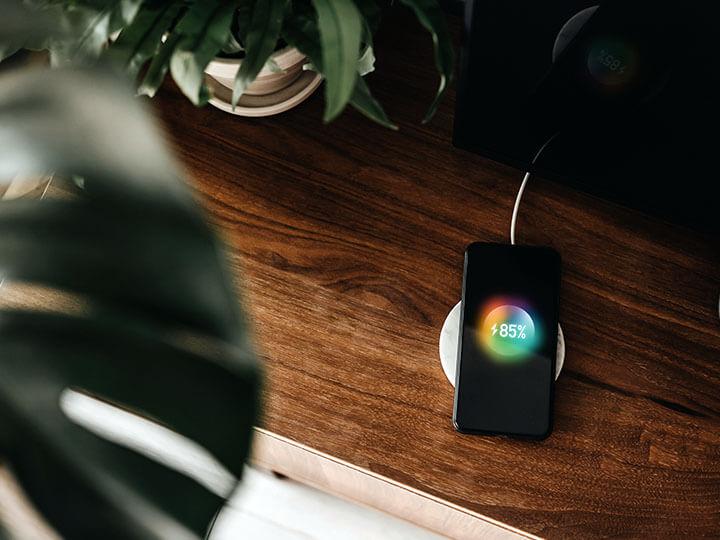
Electrical Safety Testing
Electrical safety testing evaluates protection against electric shock and electrical hazards through assessments such as:
- Dielectric withstand testing
- Leakage current testing
- Ground continuity testing
- Insulation resistance testing
- Protective earthing verification
- Input current and power measurements
These evaluations help ensure safe operation under normal and fault conditions.
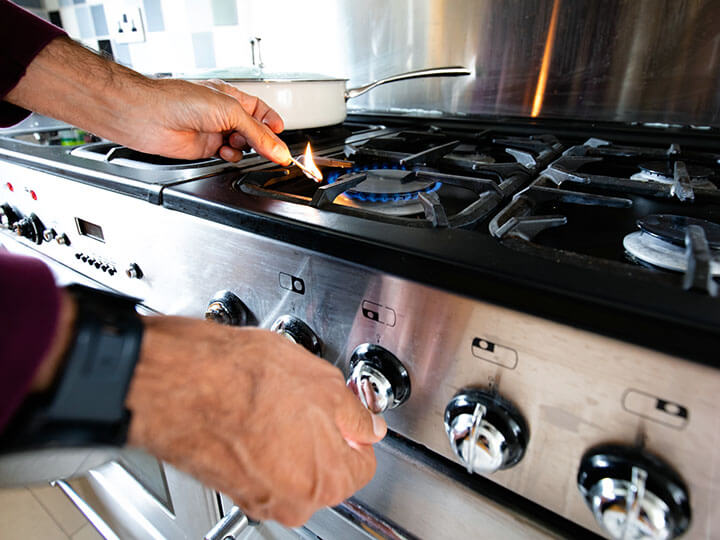
Gas Appliance Safety Testing
Gas appliance safety testing evaluates products that use natural gas, propane, or other fuel gases to verify safe operation and compliance with applicable safety standards and regulatory requirements. Testing helps ensure appliances operate efficiently while minimizing the risk of fire, explosion, gas leakage, or carbon monoxide exposure.
Typical evaluations may include:
- Gas leakage testing
- Burner performance evaluation
- Ignition and flame stability testing
- Combustion analysis
- Flame failure protection verification
- Pressure regulation testing
- Venting and exhaust system evaluation
- Abnormal operation and fault condition testing
- Temperature rise assessments
- Safety control and shutoff device verification
Gas safety testing is commonly performed for products such as cooking appliances, furnaces, boilers, water heaters, fireplaces, outdoor cooking equipment, and commercial food service appliances.

Sanitation Safety Testing
Sanitation safety testing evaluates appliances and equipment intended for food preparation, food storage, beverage dispensing, and commercial food service applications to verify they can be properly cleaned and maintained without creating contamination risks.
Testing helps manufacturers demonstrate compliance with sanitation requirements and hygienic design standards that support food safety and public health.
Typical evaluations may include:
- Hygienic design assessment
- Cleanability verification
- Material suitability for food-contact surfaces
- Surface finish evaluation
- Resistance to corrosion and chemical cleaners
- Drainage and moisture accumulation assessment
- Accessibility for cleaning and maintenance
- Construction review for sanitary design principles
Sanitation safety testing is commonly applied to commercial kitchen equipment, food processing machinery, beverage dispensing systems, refrigeration equipment, ice machines, and other appliances that come into contact with food or beverages.
Intertek's Appliance and Consumer Electronics Safety Testing Solutions
Intertek provides comprehensive testing, inspection, certification, and assurance solutions that support manufacturers throughout the product lifecycle—from concept development through production and global market entry.
Our services include:
- Product safety testing
- Third-party certification
- Regulatory compliance evaluations
- Design reviews
- Construction assessments
- Pre-compliance testing
- International certification support
- Factory inspections
- Follow-up services
- Risk assessments
- Technical documentation reviews
- Global market access consulting
Intertek supports compliance with a broad range of international, regional, and national safety standards applicable to household appliances, commercial appliances, and consumer electronics.
Our experts work closely with manufacturers to identify applicable requirements early in development, reducing costly redesigns and helping products reach the market more efficiently.
Why Choose Intertek for Appliance Safety Testing?
Intertek has decades of experience helping manufacturers demonstrate product safety and compliance across global markets.
Global Laboratory Network
Our worldwide testing facilities provide local expertise with access to international certification programs and regulatory knowledge.
Comprehensive Technical Expertise
Our engineers and specialists understand the evolving safety requirements for traditional appliances as well as connected, smart, and battery-powered technologies.
Faster Time to Market
Integrated testing and certification services can streamline compliance activities and reduce delays associated with multiple testing providers.
End-to-End Product Assurance
From design evaluation through certification, manufacturing inspections, and ongoing compliance support, Intertek offers a complete quality assurance solution throughout the product lifecycle.
Global Market Access Support
Our international expertise helps manufacturers navigate complex regulatory requirements across multiple countries and regions, simplifying worldwide product launches.
Appliances and Consumer Electronics Safety Testing - Frequently Asked Questions (FAQs)
Appliance safety testing evaluates products against recognized safety standards to identify electrical, mechanical, and thermal hazards and verify safe operation under intended conditions.
Many household appliances, commercial appliances, consumer electronics, information technology equipment, smart devices, battery-powered products, and connected electronics require safety testing to support regulatory compliance and market access.
Independent testing provides objective verification that products meet applicable safety requirements, increasing confidence for regulators, retailers, manufacturers, and consumers.
Yes. Identifying design and safety issues during development can reduce the likelihood of failures, recalls, warranty claims, and liability after products reach the market.
Yes. Intertek provides testing and certification services that help manufacturers demonstrate compliance with a wide range of global safety standards and certification requirements, supporting access to markets around the world.
Safety evaluations are most effective when incorporated early in product development. Early testing can identify potential compliance issues before tooling and production begins, reducing redesign costs and accelerating time to market.
Related Links
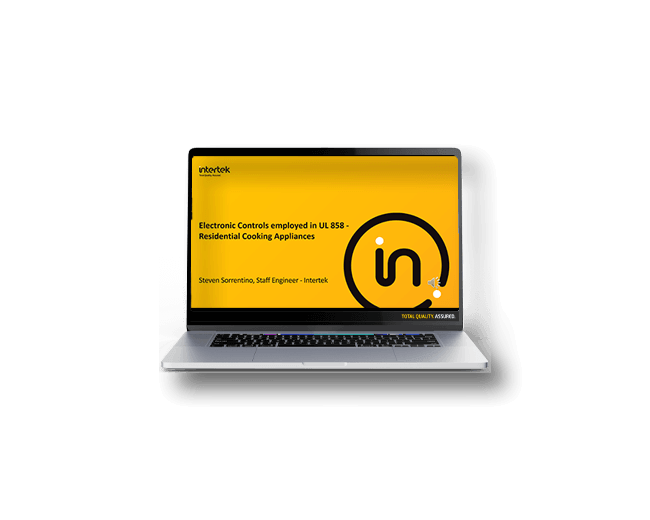
Functional Safety – Electronic Controls Use In Residential Cooking Appliances | Webinar
This on demand webinar explores the critical role of electronic controls in modern residential cooking appliances, with a focus on UL 858 and UL 60730 requirements and Class B safety critical functions.
Knowledge Center
Transitioning Products and Certification to UL 60335-2-89
NSF 456 Vaccine Storage Fact Sheet
Germicidal Efficacy Testing: Appliance Considerations
Germicidal Products: Safety, Performance, and Efficacy
IEC 62368-1 Standard Compliance Guide White Paper
Product Listing & Marking Strategies White Paper
Household Dishwasher Test Method EN 50242:2016 Fact Sheet
Gas Appliance Regulations: Guidance for Implementation of GAR vs. GAD White Paper
Flammable Refrigerants: Comprehensive Assurance Fact Sheet
Ceiling Fan Energy Efficiency: Compliance with DOE Rule 10 CFR Part 430
G Marking For Low-Voltage Electrical Products in the Middle East White Paper

Related Links
- Why Meeting Safety Standards can Still Result in Recalls
- Reese's Law – ANSI/UL 4200A-2023
- Product Directories
- Public Notices & Product Safety Alerts
- Smart Grid Services
- Transitioning Products and Certification to UL 60335-2-89
- IEC 60335-1 Edition 6 Fact Sheet
- Germicidal Efficacy Testing: Appliance Considerations
- NSF 456 Vaccine Storage Fact Sheet
- Cybersecurity for Consumer Products
- Intertek Performance Gateway